Call: (401) 593-0043
Massachusetts is home to some of the most architecturally rich and visually striking homes in the United States. The state’s long history, dating back to colonial times, is reflected in its rooftops. From steeply pitched gambrel designs to the decorative elegance of Queen Anne styles, historic roof types tell a story of craftsmanship, material evolution, and regional climate demands.
What are historic roof types? They are roof designs and materials traditionally used on homes and buildings built during earlier periods in American history. These styles reflect architectural trends and the availability of materials at the time.
Exploring these nine styles provides insight into how early builders approached shelter, aesthetics, and function. Many of these roofing systems are still present on homes across Massachusetts today, preserved through careful restoration or replicated with modern materials for historic character.
Across centuries, Massachusetts has embraced a variety of architectural styles that reflect both practicality and elegance. The roof types used on these homes were more than just design choices; they offered protection against harsh New England weather while shaping each building’s identity.
From the simplicity of Cape Cod homes to the decorative elements of Italianate designs, the materials and structures used in historic roofs tell a story of resilience and creativity. Below are nine of the most iconic and influential roofing styles that have shaped the region.
The gambrel roof is instantly recognizable for its double-slope design, most often seen on colonial homes and barns throughout Massachusetts. This roof type maximized headroom in upper levels and was practical for homes that needed storage or additional living space.
Many early homes used treated wood or wood shingles, while others incorporated slate tiles for added durability. The gambrel roof remains a strong visual link to colonial America and traditional craftsmanship.
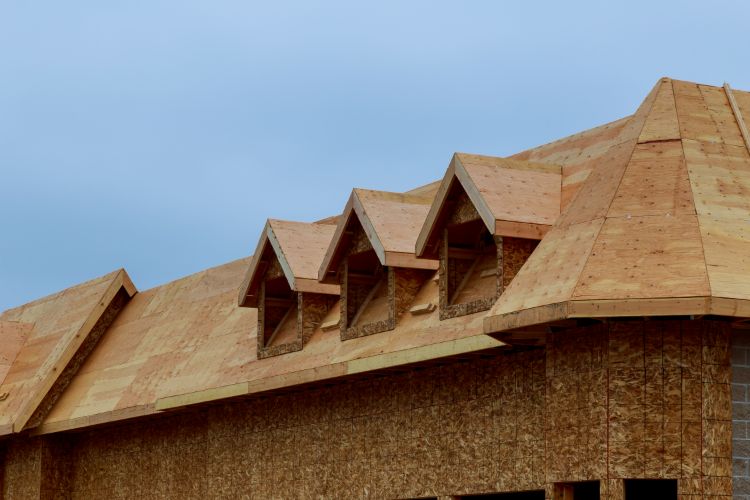
The gambrel roof style was designed for more than visual interest. It allowed homeowners to use attic space for bedrooms, storage, or workspaces without a full second story. Its pitch also made snow shedding easier, reducing winter damage.
Builders used several materials to create a weather-resistant and attractive look on gambrel-style homes. These often included:
The mansard roof, rooted in French architectural traditions, made its way to Massachusetts during the Second Empire period. With steep lower slopes and a nearly flat top, it added elegance and additional upper-floor space without exceeding height restrictions.
This historic roof type was favored in urban environments for its style flexibility and ability to hide additional stories. Metal roofs and slate tiles were common choices for these structures.
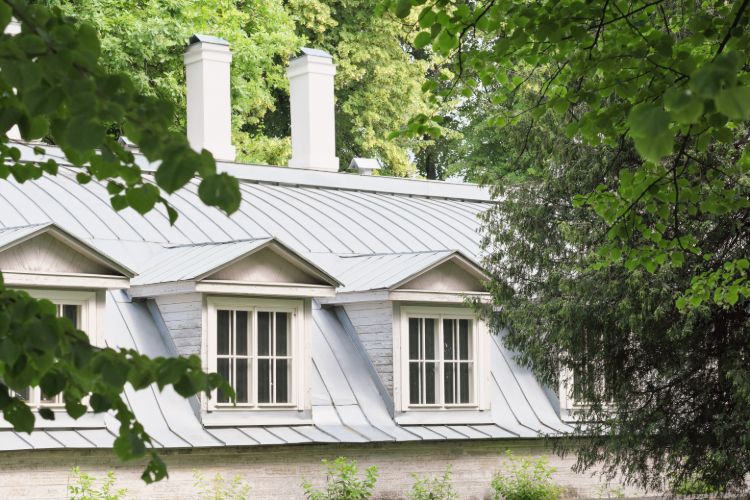
The beauty of mansard roofs lies in their intricate features. Many included decorative brackets, patterned shingles, and unique dormers. This roof allowed builders to blend utility with style, resulting in some of the state’s most refined historic homes.
These unique roofs required high-performance materials that could adapt to steep and flat angles. Common options were:
The saltbox roof features an asymmetrical design, with a long rear slope and a shorter front side. Originally created to allow easy home expansion, the style became an iconic feature of colonial New England.
These roofs were well-suited to the region's snowy climate, allowing snow to slide off quickly while providing good attic space. Historic homes with this style typically used wood roofs or asphalt shingles.

Saltbox roofs worked well for early settlers who needed quick, cost-effective expansions. Their design allowed for weather protection without full reconstruction. The sloped back also helped rain and snow runoff, preventing moisture issues.
To maintain durability and simplicity, builders relied on:
Cape Cod roofs are steeply pitched gable designs that define the quintessential Massachusetts cottage. Their compact size, efficient layout, and ability to withstand coastal weather make them a timeless favorite.
These roofs work well with durable roofing materials like slate tiles and treated wood. Many Cape Cod homes undergo roof restoration to retain original features while incorporating protective coatings or modern elements.

This classic roof shape allows snow and rain to slide off easily, preventing leaks and rot. It also offers a quaint, symmetrical look that suits both modern and traditional neighborhoods.
To preserve their charm and functionality, Cape Cod roofs are typically covered with:
The Federal style roof generally features a shallow gable or hipped design, often on symmetrical buildings with clean lines. These homes became popular in the late 1700s and early 1800s, reflecting a sense of national pride and order.
Federal roofs were usually constructed with high-quality materials, like slate shingles and copper roofs, to match the elegant architecture of the time.
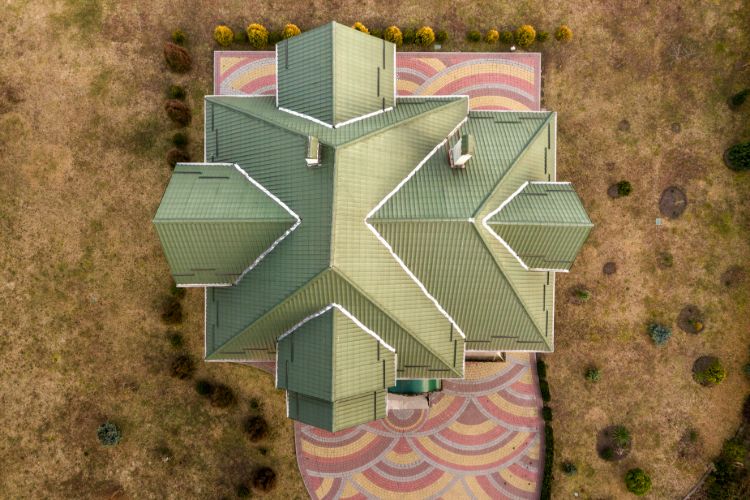
These roofs emphasized formality and geometry. Builders used low slopes and uniform designs that blended into classic brick or wood facades. Their timeless appeal continues in preserved historic districts.
To match their stately appearance, these homes used:
Italianate homes feature low-pitched or flat roofs with pronounced eaves and decorative brackets. These became popular in Massachusetts during the mid-19th century, inspired by Italian country villas.
Because these roofs often had complex details, builders used metal shingles, tin, and ceramic tiles that could be formed to match intricate shapes.

These roofs often included wide cornices, arch-shaped windows, and scrollwork on the brackets. Together, these elements gave homes an elegant and somewhat romantic appeal rooted in Old World styles.
Craftsmen chose materials that offered both durability and moldability, such as:
Queen Anne homes are some of the most visually complex and expressive in Massachusetts. With steep gables, hipped sections, towers, and ornate trim, these roofs used multiple materials for texture and contrast.
This historic roof type was a canvas for creativity, often featuring decorative shingles, painted accents, and roof framing that supported turrets or wraparound porches.
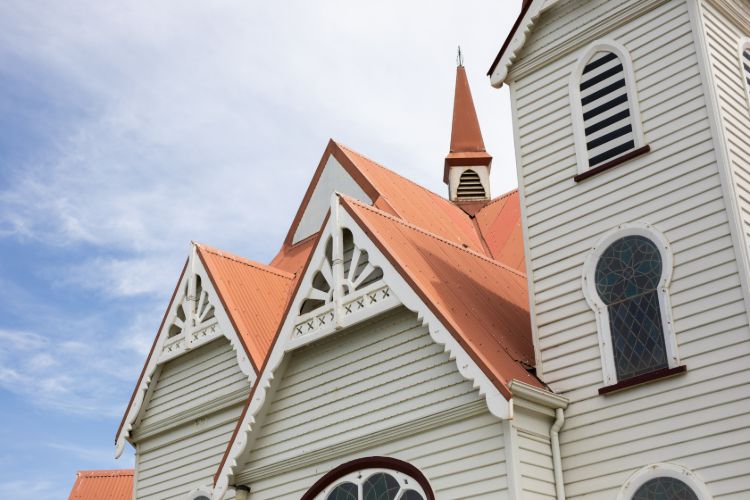
They symbolized a departure from simplicity. Homeowners showcased wealth through elaborate design, multiple rooflines, and vibrant finishes, turning each home into a visual centerpiece.
To support their layered aesthetic, roofers used:
Colonial Revival homes brought back classic features from early American homes, including symmetrical gable roofs and dormer windows. This style surged in the early 20th century as a nostalgic nod to simpler times.
Though the overall structure remained traditional, modern roofing systems and materials like asphalt shingles and standing seam metal roof designs were often incorporated.

Their timeless look combines the charm of older architecture with improved energy performance. Dormers, clean lines, and familiar gable structures still appeal to today’s homeowners.
For both authenticity and function, these homes often feature:
Craftsman roofs typically feature low-pitched gables with wide overhangs and exposed beams. These homes focused on natural materials and visible structure, and their roofs often reflected that philosophy.
The style became popular in the early 1900s and is known for its connection to nature, handcrafted elements, and solid durability.
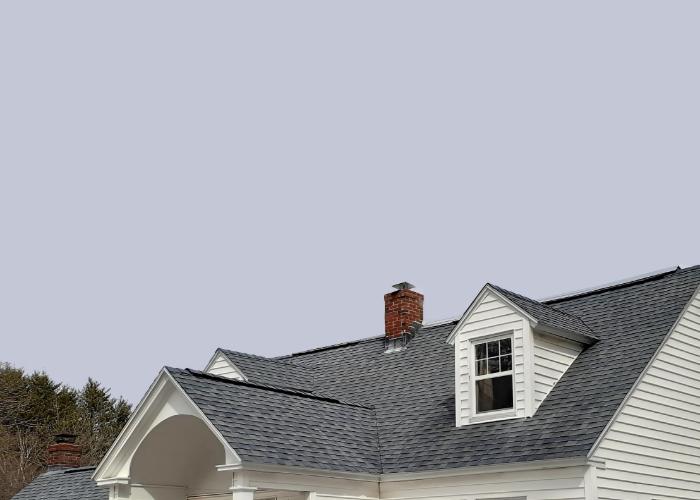
They embraced simplicity and craftsmanship. Rooflines were built with deep eaves, overhangs, and visible rafters to reflect transparency in construction and blend into the landscape.
To match the aesthetic, craftsmen relied on:
Restoring or maintaining historic roof types is a delicate process that goes far beyond basic repairs. It involves identifying appropriate materials, understanding roof framing methods, and preserving unique architectural styles.
A professional inspection can help you decide whether to use traditional materials or updated alternatives that maintain your roof’s historic character while improving performance and fire resistance.
The Warwick Roofers bring decades of experience in restoring historic roofing systems across Massachusetts. Whether you're working with slate tiles, wood shingles, or sheet metal roofs, our team applies gentle cleaning methods and protective coating options to preserve beauty and function. We understand historic details, building history, and the value of proper maintenance.
Massachusetts rooftops offer more than just shelter, they offer a glimpse into the region’s architectural and cultural history. From the early gambrel structures to the artisan-crafted Craftsman designs, each style reflects innovation, adaptation, and craftsmanship.
If your property features one of these iconic historic roof types, preserving its form and function is a priority. The Warwick Roofers are dedicated to protecting your historic home's roof with safe cleaning, specialized roof restoration, and expert care. Keep your home’s story intact—starting with the roof above it. Contact us today!

